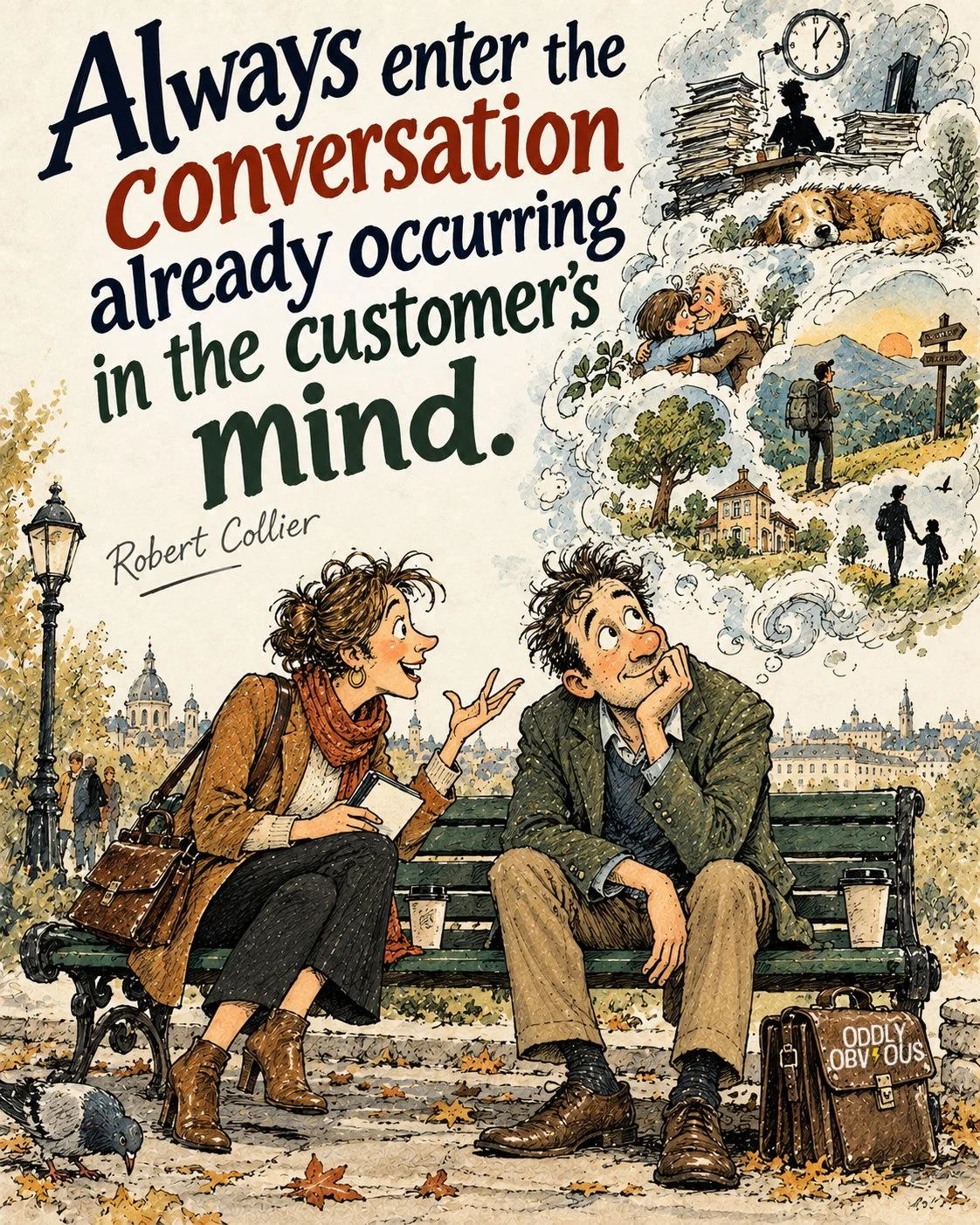
I've always believed that when content is cheap and everywhere, you stand out by doing less, not more.
By going back to the basics of communication, instead of adding more noise.
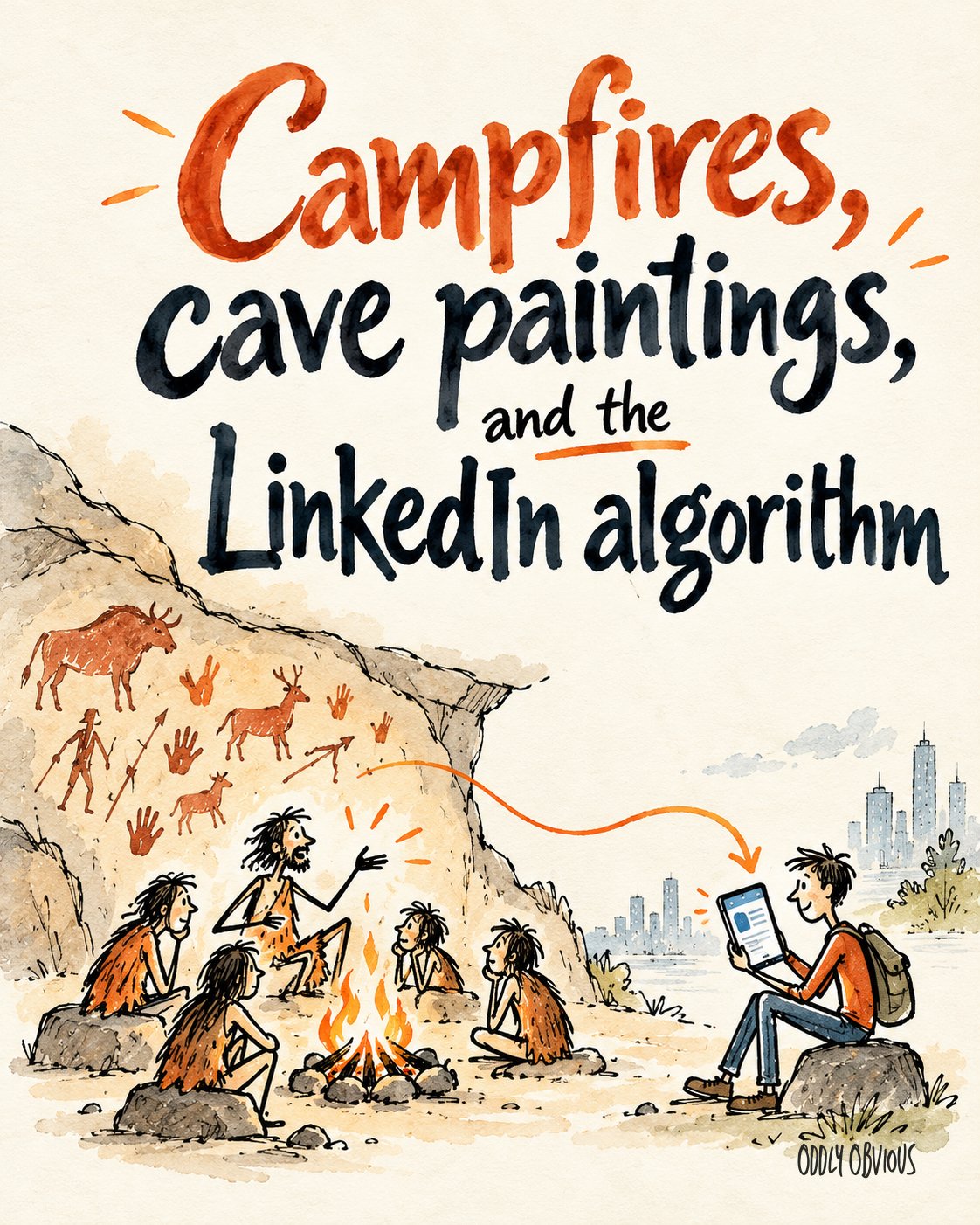
Long before the written word became our default, humans were telling stories around fires and drawing pictures on cave walls. Our ancestors were making art tens of thousands of years before Gutenberg's printing press arrived a few hundred years ago, and certainly long before AI started churning out words by the billion.
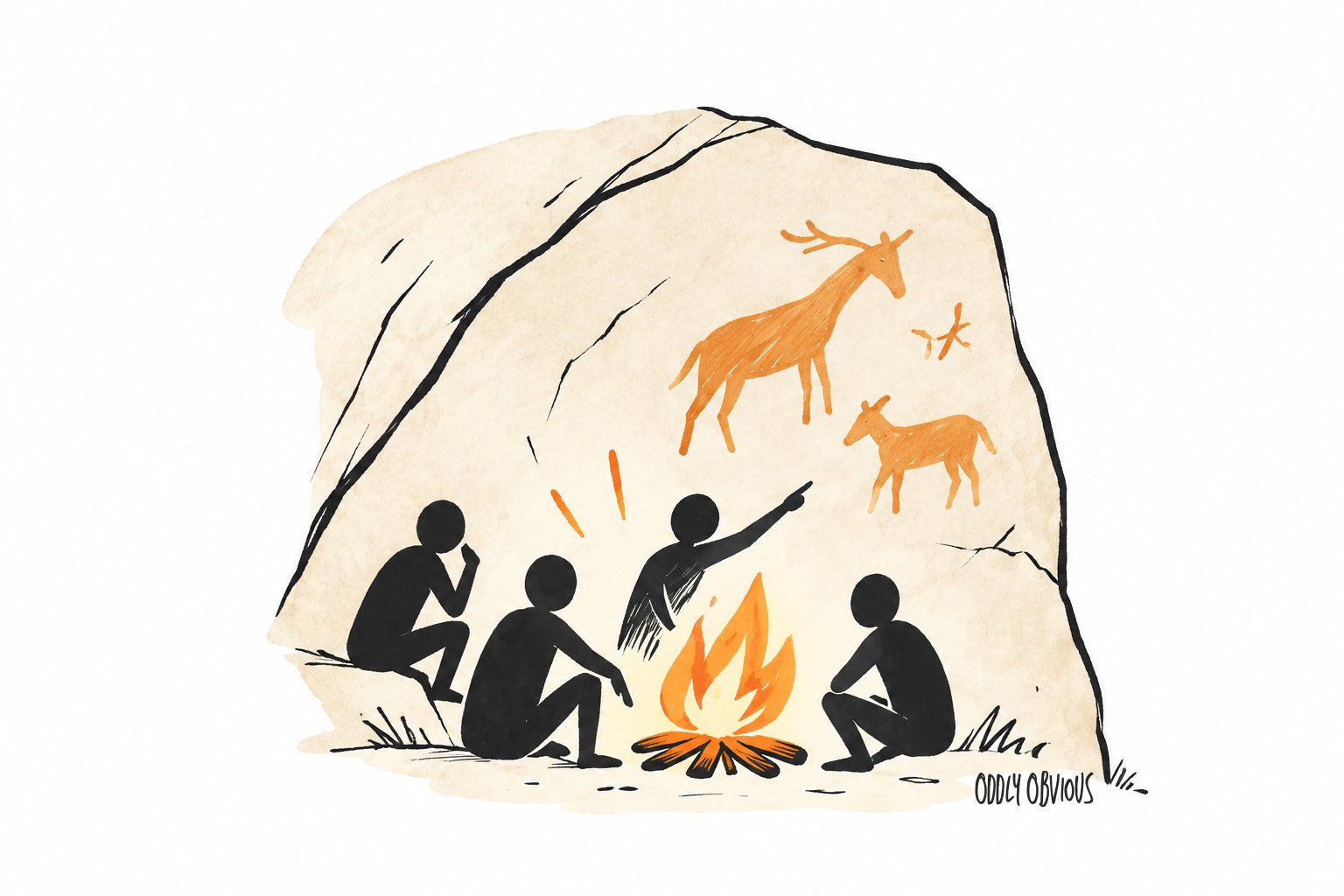
Cut through the clutter by going back to the cave wall
Visual storytelling is our original language. It's how we've communicated for millennia. In an era of machine-made monotony and massive content overwhelm, the best way to cut through the clutter is to embrace something that, as a species, we know in our bones: pictures and stories.
So I was pleasantly surprised when I recently came across one of the most rigorous, transparent LinkedIn algorithm studies, and it said the same thing in numbers.
Instead of repeating the usual growth-hacker folklore, the researchers at Flypost compared creators against their own baseline across more than 116,000 posts to see what actually moves the needle.

Picture this: the data agrees
Out of everything tested, two levers stood well clear of the field. Attaching an image lifted reactions by about 35%. Telling a personal story lifted them by about 33%.
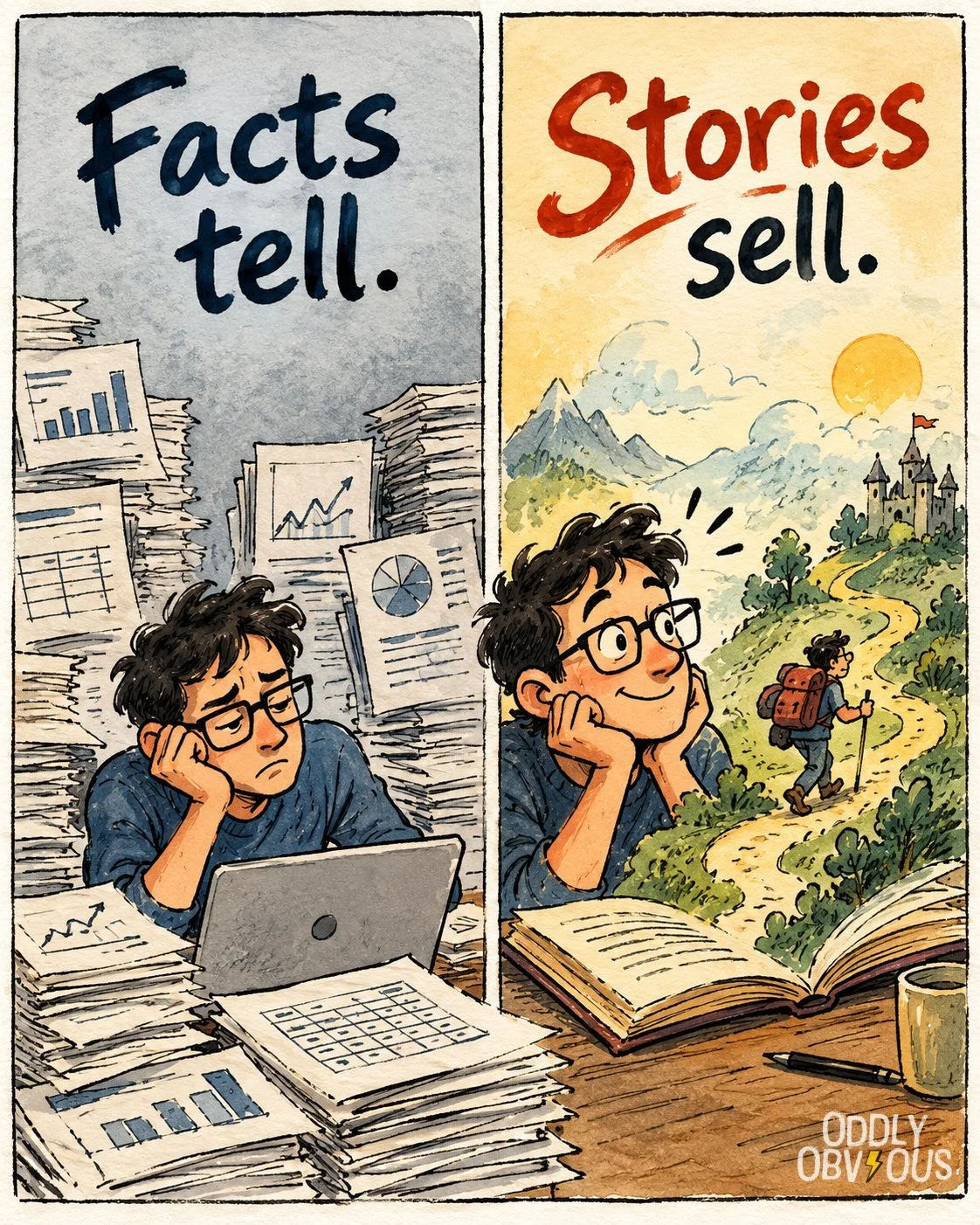
Put the two together and you have visual storytelling. An image makes an idea visible. A story makes it human.
Compare that to the rest of the "best practices" floating around the internet. Tactics like using video or carousels barely scrape the 10% to 20% range, while things like ending with a question or stuffing hashtags actually cost you engagement.
The ingredients for visual storytelling deliver roughly two to three times the impact of anything else you can post.
The flip side is where it gets interesting.

Visual storytelling isn’t a bonus. Its absence is a tax.
The study also tracked the 1 in 12 creators whose numbers fell furthest over the year, losing more than half of their usual reactions. The accounts that fell hardest had mostly cut back on images and personal stories.
And generic advice, the kind with no story and no concrete detail, earned about 13% less than the same person's other posts. Take away the picture and the story, and the engagement goes with them.
It isn't only that visual storytelling lifts a post. Its absence often sinks one.
And that's worth thinking about in an age when AI can produce endless streams of perfectly serviceable words.
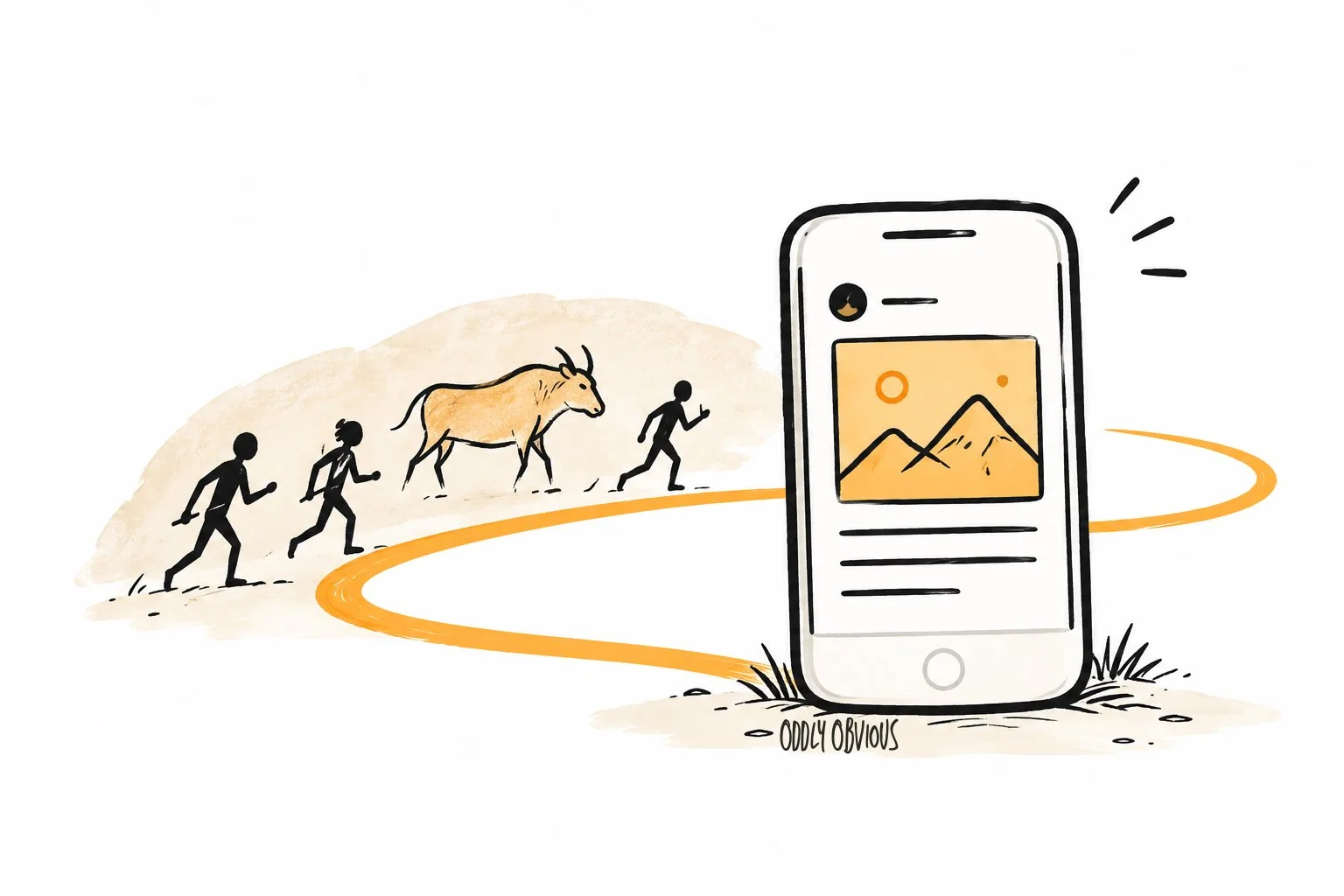
The future of content looks a lot like the past
The answer to content overwhelm may lie in doing something we've known how to do for thousands of years. Show people something. Tell them a story. Give them a reason to stop scrolling.
Ultimately, the algorithm isn’t some mysterious machine with a mind of its own. It is simply holding up a mirror to how human beings respond. And tens of thousands of years later, we are still wired for the exact same thing: a compelling picture and a human story.
If you want to incorporate visual storytelling with a dash of whimsy, you know what to do.
Whimsically yours,
Monojoy
Storyteller, Oddly Obvious
Because good stories like good company: